Blog

CAT: Clear Air Turbulence

Clear-air turbulence (CAT) is the turbulent movement of air masses in the absence of any visual clues, such as clouds, and is caused when bodies of air moving at widely different speeds meet.[1]

The atmospheric region most susceptible to CAT is the high troposphere at altitudes of around 7,000–12,000 metres (23,000–39,000 ft) as it meets the tropopause. Here CAT is most frequently encountered in the regions of jet streams. At lower altitudes it may also occur near mountain ranges. Thin cirrus clouds can also indicate high probability of CAT.

The Sabji Courier

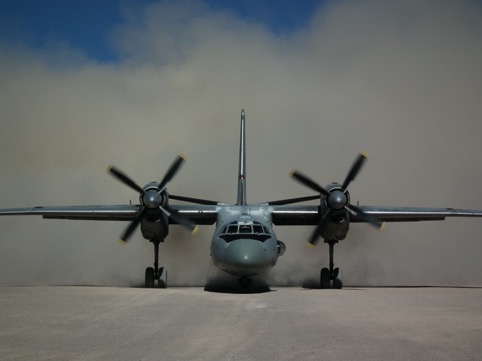
During the summer, one of the key tasks of the Indian Army is to stock up its high-altitude border posts with tents, clothing, food, ammunition and fuel for the harsh winter ahead. The heavy stocks are moved by roads while essential and high-value assets are mobilised by air. This is the just first step. Subsequently, all supplies are moved to forward bases through tough terrain with the help of locals, mules or aircraft. A soldier at these outposts is fighting three elements – the enemy, the weather and his own health. The cost of keeping each soldier at those altitudes, equipping him, feeding him and providing him with wherewith all for fighting is humongous and require Herculean effort. The story highlights the human side of the problem.

The Unknown Sikh Soldier in the Kargil War

 ..in the Kargil war I remember it as if it was yesterday. It was the 23rd May 1999, the Kargil conflict was ongoing. My crew and I were in Awantipur to pick up 24 casualties (20 sitting & 4 on stretchers) the casualties were seriously wounded. The age of the passengers ranged between 19-27 years. Some had deep bullet wounds, where the bullet had gone through, but he still had his legs and could sit, stand, walk, and wasn’t on a stretcher. The men who were on a stretcher were the badly…

Flight Planning and Monitoring for Pilots: Model Test Papers

Flight planning is the process of producing a flight plan to describe a proposed aircraft flight. It involves two safety-critical aspects: fuel calculation, to ensure that the aircraft can safely reach the destination, and compliance with air traffic control requirements, to minimise the risk of midair collision. In addition, flight planners normally wish to minimise flight cost through the appropriate choice of route, height, and speed, and by loading the minimum necessary fuel on board.

Flight Planning and Monitoring for Pilots: Study Material

Flight planning is the process of producing a flight plan to describe a proposed aircraft flight. It involves two safety-critical aspects: fuel calculation, to ensure that the aircraft can safely reach the destination, and compliance with air traffic control requirements, to minimise the risk of midair collision. In addition, flight planners normally wish to minimise flight cost through the appropriate choice of route, height, and speed, and by loading the minimum necessary fuel on board.