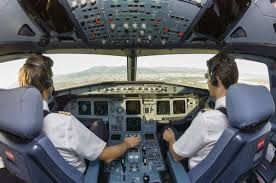
Fady nodded with the steady gravity of a man who had long ago stopped expecting justice from rostering software. Autopilot engaged. Autothrust active. LNAV and VNAV glowing like obedient deities. The airplane was doing everything correctly, which left the humans dangerously free to think.
The interphone chimed.
Blog
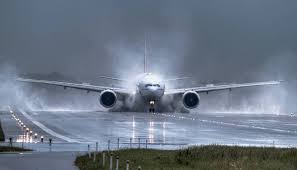
When Status Meets the Weather: VIP Air Crashes, Invisible Pressures, and the Lessons Aviation Keeps Relearning
In aviation, gravity is impartial. It does not recognise rank, reputation, or reason.
It responds only to decisions.
And decisions, ultimately, reflect the systems that shape them.
Pilot Competencies in Civil Aviation Training: Part 3
Pilot competencies are the essential skills, knowledge, and behaviors for safe and effective flying, extending beyond basic stick-and-rudder skills to include non-technical abilities like Situational Awareness, Communication, Leadership & Teamwork, Problem Solving, Workload Management, Application of Procedures, and Aircraft Management (Manual & Automation).
Pilot Competencies in Civil Aviation Training: PART 2
When industries mature, their language evolves before their structures do. Aviation was no exception. By the early twenty-first century, accident reports had shifted decisively; from hardware malfunctions and procedural lapses toward cognition, behaviour, and decision-making.
Pilot Competencies in Civil Aviation Training: PART 1
CBTA focuses on performance-driven training and assessment, ensuring that learning objectives align with real-world competencies. This approach applies across all aspects of pilot training, from aptitude testing and initial licensing to instructor/evaluator training and operator training.
Open Letter to DGCA India.
An open letter’s significance lies in its ability to amplify voices of individual or marginalised groups to reach powerful figures. It also serves as a tool to increase public awareness, rally support and serving as a democratic voice for individuals demanding accountability. I hope this letter will create broader dialogue amongst aviators and also pave way for changes in Civil Aviation Regulator.
A Year of Aviation Blogging
Every day is a new flight. Every day is a new beginning. Every blog is a new challenge. I love this medium of blogging as I am able to reach out and share my stories with others. It has been a long way, since Feb 2020 when I first published my blog.
Beyond the Radar: Decision-Making Under Pressure in Airline Operations Control Centre
Like a pilot who maintains control of aircraft, navigates through the challenges; a leader at OCC should be able to maintain control amid the pandemonium, must take decisive actions and be able to improvise under pressure. This allows him/her to prevail over situation and maintain aim/vision regardless of the dilemma.
Commercial Aviation: Electronic and Cyber Threats in Air
The aviation sector continues to improve the safety and quality of services provided to customers. However there is an immediate need to address passenger concern regarding spoofing and jamming. As a long term measure it would be appropriate to develop new standards for avionics system to limit susceptibility to jamming and interference. Otherwise, there exists a great likelihood that terrorists groups may be able to breach on-board systems and remotely operate in-flight aircraft by using sophisticated attack tools with consequent severe damage to property and loss of life.
Disruption Management in Commercial Aviation
Flight delays and cancellations have become important factors that affect passengers’ airline preferences. Consequently, national regulatory authority for civil aviation categorically mentions airline punctuality in terms of “On time Performance”. Airlines invest millions of dollars to optimise their operations and prevent delays. But what about disruptions and its management, which in other words can be termed as resilience of operations. In recent past we have seen many such examples where airline operation were disrupted due to software issues, bad weather or due to changes in rules. In this article we will look at why disruption management or recovery has become a major problem in airline operation management.