Introduction
1. In an era defined by geopolitical volatility and rapid technological advancements, the strength of a nation’s military aviation hinges on its ability to achieve self-reliance. For India, the pursuit of indigenisation—developing domestic capabilities in design, manufacturing, and maintenance of aircraft and related systems—has become a cornerstone of national defence strategy. The Atmanirbhar Bharat (Self-Reliant India) initiative, launched in 2020, underscores this imperative, aiming to reduce vulnerabilities exposed by supply chain disruptions during global crises like the COVID-19 pandemic and ongoing conflicts such as the Russia-Ukraine war. The Indian Air Force (IAF), with its fleet of over 2,000 aircraft including fighters, transports, and helicopters, faces the dual challenge of maintaining operational readiness while transitioning from foreign dependencies to indigenous prowess.
2. At the heart of this transformation is the critical role of enhanced private sector participation. Historically, India’s defence sector has been dominated by a mix of IAF’s organic Maintenance, Repair, and Overhaul (MRO) infrastructure comprising of Base Repair Depots (BRDs) and public entities like Hindustan Aeronautics Limited (HAL), Bharat Electronics Limited (BEL) and the Defence Research and Development Organisation (DRDO), but the limitations of this model—bureaucratic delays, cost overruns, and technological gaps—have necessitated a paradigm shift. By embedding private industry within the IAF’s organic MRO infrastructure, India can harness innovation, efficiency, and scalability. This embedded model not only fosters collaboration but also builds a robust ecosystem for self-reliance, ensuring operational autonomy in times of crisis.
3. This article delves into the strategic imperatives of indigenisation, the mechanics of the embedded MRO model, real and hypothetical case studies of public-private partnerships (PPPs), associated challenges, and actionable solutions. Ultimately, it explores how this approach can elevate India’s defence preparedness, spur economic growth, and enhance its global standing in military aviation.
The Strategic Imperative of Reducing Foreign Dependence
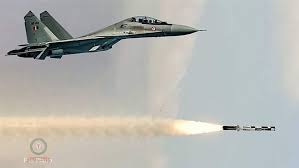
4. India’s military aviation has long relied on imports, with platforms like the Russian Sukhoi Su-30MKI, Mi Series helicopters, An-32 Transport aircraft, French Mirage-2000 & Rafale, and American C-130 Super Hercules and C-17 Globemaster forming the backbone of the IAF. While these assets have bolstered IAF’s defence capabilities, they come with strings attached: geopolitical leverage, supply chain vulnerabilities, and escalating costs. For instance, sanctions on Russia following the Ukraine conflict have disrupted spare parts for the Su-30 and Mi series heptr fleets, forcing the IAF to look for improvised solutions. Similarly, dependence on foreign MRO services often leads to prolonged downtime, with turnaround times stretching to years due to bureaucratic hurdles and shipping delays.
5. Indigenisation addresses these issues by promoting self-reliance, or “Atmanirbharta,” which ensures operational autonomy. This means developing indigenous aircraft, components, and maintenance ecosystems that are resilient to external shocks. The strategic importance cannot be overstated: in a conflict scenario, such as along the Line of Actual Control (LAC) with China, uninterrupted access to spares and repairs is vital. Reducing foreign dependence also conserves foreign exchange—India spent over $8 billion on defence imports in 2022 alone—and stimulates domestic industry, creating jobs and technological spillovers.
6. However, self-reliance cannot be achieved in isolation. The IAF’s organic MRO infrastructure, comprising Base Repair Depots (BRDs) across the country, handles everything from aircraft/ engine overhauls to avionics repairs. These facilities are efficient but constrained by limited resources (manpower, critical spares) and outdated technological processes. Private sector participation can bring cutting-edge expertise in automation, AI-driven diagnostics, and supply chain management. Enhanced participation through PPPs can bridge gaps, accelerating indigenisation while maintaining security protocols.
The Embedded Model: Integrating Private Expertise into IAF MRO
7. The embedded model represents an innovative framework for collaboration, where private sector entities are integrated directly into the IAF’s existing MRO facilities. Unlike traditional outsourcing, which might involve off-site contracts, this approach embeds private personnel, technologies, and processes within BRDs, fostering real-time knowledge transfer and joint operations under IAF oversight.
8. At its core, the model leverages the IAF’s infrastructure—vast hangars, specialized tools, and secure environments—while infusing private sector strengths: innovation, efficiency, and agility. Private firms can introduce advanced techniques like predictive maintenance using IoT sensors, 3D printing for rapid prototyping of components, and data analytics to optimize repair cycles. This integration enhances quality by adhering to international standards like AS9100 for aerospace, reduces turnaround times from weeks to days, and builds indigenous capabilities through skill-sharing programs.
9. For example, embedding a private team in a BRD could involve co-developing repair protocols for critical components, such as turbine blades in jet engines. The private partner provides proprietary tools and expertise (using JV with OEM), while IAF personnel gain hands-on training, gradually indigenising the process. This not only cuts costs—potentially by 20-30% through efficient procurement—but also mitigates risks like intellectual property leaks by operating within secure perimeters.
10. The model’s success lies in its symbiotic nature: the IAF retains control over sensitive operations, ensuring national security, while private players gain access to steady contracts and real-world testing grounds. Over time, this fosters a self-sustaining ecosystem where indigenous suppliers emerge, reducing import reliance from 70% (current estimate) to under 30% by 2030, as per government targets.
Case Studies: Successes in Public-Private Partnerships
11. Real-world examples illustrate the embedded model’s potential. The Light Combat Aircraft (LCA) Tejas program stands as a flagship of indigenisation. Developed by HAL with DRDO, Tejas Mark-1A incorporates over 65% indigenous content. Private sector involvement has been pivotal: Tata Advanced Systems collaborates on aerostructures, while Dynamatic Technologies supplies critical components like the canopy and airframe parts. A hypothetical embedded MRO scenario, a private company in JV with respective OEM could embed trained manpower and ensure supply of OEM certified spares at No. 3 BRD in Chandigarh to overhaul Mi-17 series helicopters and its aero-engine, integrating AI-based fault detection to slash maintenance time by 40%. This not only enhances fleet availability but also builds a domestic supply chain for spares, reducing dependence on foreign suppliers.
12. Internationally, Israel’s model with Israel Aerospace Industries (IAI) embedding private tech in military MROs offers lessons. IAI’s partnerships have indigenised drone maintenance, boosting export capabilities. India could replicate this for platforms like the Heron UAVs, with private firms to develop indigenous avionics, cutting costs and enhancing autonomy.
13. These examples highlight how PPPs drive innovation: Tejas has evolved from a delayed project to a combat-proven asset, with private inputs accelerating iterations. Similarly, hypothetical embedded collaborations could extend to GE-404/ 414 F aero engine of Tejas, where private MRO expertise at one of IAFs BRD reduces foreign engine dependencies.
Challenges and Actionable Solutions
14. Despite its promise, the embedded model faces hurdles. Technology transfer is a primary challenge: foreign OEMs (Original Equipment Manufacturers) often withhold proprietary knowhow due to intellectual property concerns, stalling indigenisation. Skill development is another: the IAF’s workforce, while skilled, lacks exposure to cutting-edge private sector tools, leading to a talent gap. Induction of Agniveer (Vayu) also poses serious challenges in maintaining desired competence level. Regulatory bottlenecks from agencies like CEMILAC and DGAQA, coupled with complex procurement processes under the Defence Acquisition Procedure (DAP) 2020, hinder public-private partnerships in military aviation. Lengthy approval timelines delay collaboration, slowing indigenisation and integration of private sector expertise into IAF’s MRO infrastructure.
15. Actionable solutions abound. For technology transfer, India can mandate offsets in contracts, requiring foreign suppliers to share 30-50% technology with local partners, as seen in the Rafale deal. Joint ventures with clear IP-sharing clauses, enforced by a dedicated oversight body like a Defence Indigenisation Council, could streamline this.
16. On skill development, establishing embedded training academies within BRDs— partnering with private firms could upskill a large number of personnel annually. Programs like the Skill India initiative can be tailored for aerospace, offering certifications in AI and robotics. Public-private consortia, funded by the Defence Ministry’s iDEX (Innovations for Defence Excellence) scheme, could sponsor apprenticeships, bridging the gap.
17. Regulatory reforms are crucial: Streamlined certifications and time-bound approvals from CEMILAC/ DGAQA, simplifying DAP by introducing fast-track approvals for embedded models, reducing timelines to 6 months. Incentives like tax breaks for private investments in MRO and performance-linked payments could attract players. Addressing security concerns, a tiered classification system—where sensitive ops remain IAF-exclusive—ensures trust.
18. Implementing these solutions requires political will and phased rollouts: start with pilot project in one of the BRD, scaling based on metrics like reduced downtime and cost savings.
Conclusion: Impacts on Defense, Economy, and Global Standing
19. The embedded model’s integration of indigenisation and private sector participation promises transformative impacts. On defence preparedness, it ensures a resilient IAF with high fleet availability—potentially increasing from 60% to 85%—critical for deterring threats and projecting power. Economically, it could generate significant number of jobs, boost GDP through a multi-billion defence manufacturing sector, and foster MSME growth via sub-contracting.
20. Globally, India would emerge as a military aviation powerhouse, exporting indigenised platforms like Tejas to Southeast Asia and Africa, enhancing strategic influence. By reducing import bills, it strengthens fiscal health, while innovations spill over to civil aviation, positioning India alongside leaders like the U.S. and China.
21. In essence, indigenisation through embedded PPPs is not just a strategy but a necessity for sovereign defence. As India navigates a multipolar world, this approach will fortify its wings, ensuring self-reliance soars to new heights.
Air Vice Marshal Vikas Dwivedi VSM (Retd)
Be Safe. Fly Safe.