In aviation, the runway ends but the sky begins. It’s time for India to build a runway worthy of its ambitions—long, strong, and ready for take-off.
Pilot Training in India: Navigating Challenges, Seizing Opportunities, and Charting the Future
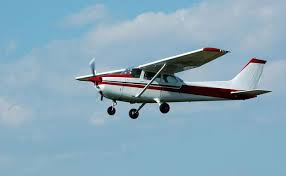
Be safe. Fly Safe,
In aviation, the runway ends but the sky begins. It’s time for India to build a runway worthy of its ambitions—long, strong, and ready for take-off.

Remember all the pilots started just where you are in the left seat of a Cessna, Piper, Diamond or Cirrus. They learned just like you and went step by step from Level 1 to level 3.

Situational awareness (SA) is the perception of environmental elements within a volume of time and space, the comprehension of their meaning, and the projection of their status in the near future.
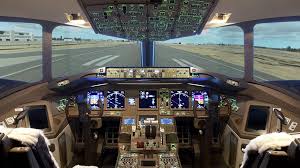
The demand for aviation training and related services is increasing and likely to grow in double digit. Asia-Pacific region has huge gap between demand and supply primarily due to insufficient training capacity in terms of infrastructure and staff shortage.
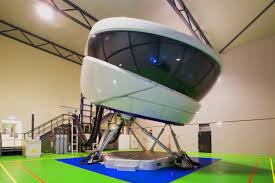
Developing national flight simulator infrastructure is no longer a matter of convenience or cost-efficiency; it is a strategic national imperative. As India accelerates toward becoming a global aviation powerhouse, its ability to train, certify, and upskill thousands of pilots annually will define the safety, scalability, and sustainability of its aviation sector. Inadequate simulator access not only delays training and raises costs but also puts regulatory compliance and operational readiness at risk.
“Dos and Don’ts” lists are helpful because they provide clear, concise guidelines for acceptable and unacceptable behaviours or actions in specific situations. This helps individuals understand expectations, avoid mistakes, and achieve desired outcomes by focusing on what to do and what not to do.
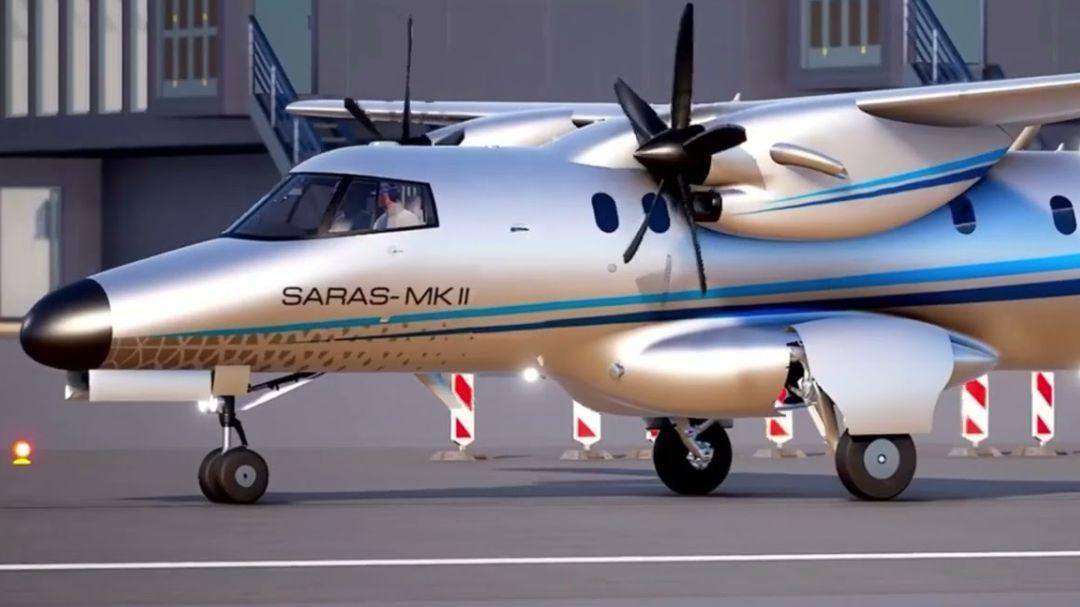
India’s dream of building its own passenger aircraft is once again gaining momentum. At the centre of this effort is the Saras Mk2, a 19 seater plane designed by National Aerospace Laboratories.

This Blog examines the principles of effective aviation leadership and its interdependence with teamwork, emphasising synergistic leadership, self-leadership, the trans-cockpit authority gradient, and CRM. Drawing lessons from historic accidents and successful case studies, it highlights how communication, responsibility, and mutual respect underpin safe and efficient cockpit operations.
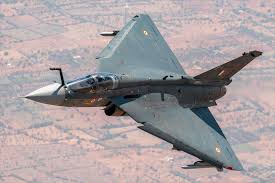
LCA Tejas is a 4.5 generation, all weather and multi-role fighter aircraft. The aircraft is designed to be a multi-role aircraft capable of taking up offensive air support, close combat and ground attack role at ease. It is also designed to undertake Ground Maritime Operations.
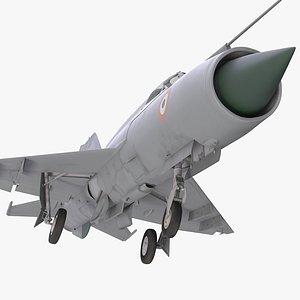
I am the MiG-21.I was not perfect. I had flaws, faults, and the scars that came with them.
But when India needed a supersonic sword in the sky — I was there.
For six decades, I protected India’s airspace like a devoted sentinel. To every technician who kept me flying through thick and thin, I bow with deepest gratitude — I am forever in your debt.
Now, the time has come for me to take my final flight.
I leave —not in silence, but with the thunder of duty fulfilled.