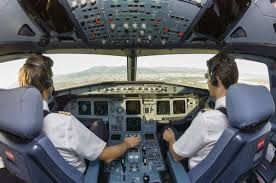
There is a moment in every airline pilot’s life when the fourth stripe stops being a dream and starts becoming a question. Not can you fly the aeroplane? That was answered years ago. The real question is: Can people trust you when things are not normal?
Because command is not a reward for seniority. It is not a loyalty bonus. It is not an entitlement accumulated through sectors flown, SIM checks passed, or birthdays celebrated in hotel rooms across continents. Command is a behavioural upgrade. And CRM, Crew Resource Management, is where that transformation is either forged or exposed.
The transition from First Officer to Commander is not about becoming more powerful. It is about becoming more responsible for the emotional temperature, professional culture, and ethical standards of the cockpit and cabin around you. The fourth stripe magnifies everything you are. If you are disciplined, it amplifies discipline. If you are insecure, it amplifies insecurity. If you are arrogant, it weaponises arrogance. And the aircraft always knows.
A future commander is recognised long before he opens the OFP. He is recognised by whether he turns up on time. Not “almost on time.” Not “just made it.” Not “everyone else was late too.” On time. Because punctuality in aviation is not etiquette. It is respect. The commander who strolls into briefing late with coffee in hand and excuses ready has already contaminated the atmosphere. The crew immediately understands that standards are elastic, hierarchy excuses indiscipline, and professionalism is negotiable.
A captain sets the emotional rhythm of the flight within the first three minutes of entering dispatch. The best commanders arrive prepared, settled, and mentally ahead of the aircraft. They cut through the clutter of rostering politics, layover gossip, management rumours, fleet speculation, and WhatsApp toxicity. The briefing room is not a crew lounge. It is a workspace where clarity matters. A future commander knows how to separate noise from operational relevance.
A good briefing is not a monologue. Weak commanders brief to display knowledge. Strong commanders brief to create shared understanding. A proper briefing is not a theatrical recital of NOTAMs nobody absorbed. It is the deliberate creation of a cockpit where questioning is permitted and concerns are surfaced early.
A captain who cannot be questioned is already unsafe.
The junior First Officer who hesitates to speak because of rank, religion, seniority, social background, company politics, or previous interactions is a CRM failure waiting patiently for bad weather. The transition to command requires learning one uncomfortable truth: authority and intimidation are not the same thing.
If your crew is silent because they are afraid of you, you are not respected. You are merely unchallenged. And unchallenged captains are dangerous captains. The future commander actively invites disagreement. “Anything you see that I don’t, speak up.” “Challenge me if required.” “Let’s cross-check this.” These are not cosmetic CRM phrases for audits. They are survival tools.
CRM does not begin at pushback and end at shutdown. The crew watches you constantly at customs, immigration, hotel check-in, transport pickup, security, and at the aircraft door. A commander who abandons his crew the moment formalities begin is announcing something very clearly: “You are on your own unless the cockpit door is closed.” That is not leadership.
The captain who stays with the crew, steps in when a junior is cornered unnecessarily, handles conflict calmly, and carries collective responsibility creates psychological safety. People perform better for leaders who stand beside them, not above them.
One of the quietest indicators of command maturity is how a pilot behaves around privilege, especially unmonitored privilege. The galley is not a private supermarket. The snack cart is not a trophy cabinet for rank. The aircraft is not a place where ethics become flexible because nobody is watching.
Pilferage in aviation rarely begins with large theft. It begins with culture.
“With all due respect, sir, everyone does it.” …. No. Everyone does not.
Taking what you did not pay for because you technically can is not harmless. It is corrosive. It normalises entitlement. It silently pressures juniors to imitate behaviour they privately disagree with. And worse, it destroys moral authority. A captain cannot lecture about SOP discipline after casually helping himself to company property like it is a birthright. Eat all you want on the flight, make a graceful retreat once on terra ferma.
The tie matters too. Not because fabric improves flying skill, but because standards matter when nobody feels like following them. In tropical countries, ties are uncomfortable. Everyone knows this. But professionalism often means maintaining standards despite inconvenience. The future captain does not humiliate a First Officer over appearance. He quietly corrects standards while preserving dignity. CRM is not weakened by standards. It is weakened by unnecessary humiliation.
Many copilots remain psychologically subordinate long after they become operationally competent. They defer excessively based on age, training history, religion, nationality, company politics, personality cults, or legacy command culture. That is not CRM. That is feudalism with headsets.
A good First Officer is respectful, not submissive. He speaks clearly. Questions professionally. Disagrees when required. And understands that silence can kill as effectively as incompetence. The healthiest cockpits are not the quietest ones. They are the ones where both pilots can think aloud without fear.
The loaders matter. The engineers matter. The dispatcher matters. The fueler matters. The cleaner matters. The commercial staff matter. Airlines function because thousands of people absorb stress silently so aircraft depart safely and on time. The captain who says “thank you” sincerely creates operational goodwill that no memo from management can manufacture.
One of the ugliest habits in aviation is rank-based entitlement masquerading as tradition. Treating cabin crew as personal attendants. Making unrealistic demands on short sectors. Raiding premium snacks before passengers deplane simply because stripes permit it. This is not command presence. It is insecurity wearing epaulettes.
A captain sits very high in aviation’s food chain, which means the ethical burden becomes heavier, not lighter. People imitate commanders. Young pilots copy mannerisms. Cabin crew observe behavioural boundaries. Junior crew learn what is tolerated.
A single toxic captain can poison an entire fleet culture. A single dignified one can elevate it.
The fourth stripe is therefore not merely authority. It is stewardship.
Captain Akshay
18 May 2026