Introduction: The Structural Inequity
Two captains may fly identical Airbus A320 aircraft on the same routes, under the same Directorate General of Civil Aviation (DGCA) regulations, fatigue risk management protocols, and Crew Resource Management (CRM) expectations, yet receive dramatically unequal compensation based solely on their hiring channel.
Recruitment advertisements, staffing contracts, and industry analysis suggests that expatriate commanders on short-term agreements often receive compensation in the ₹15–25 lakh per month range, inclusive of housing and mobility benefits, while Indian commanders in permanent employment typically fall within ₹4–8 lakh monthly bands, depending on airline and seniority¹. When non-cash benefits are included, the total reward gap frequently reaches two to three times.
This article is not a critique of expatriate professionals, many of whom contribute valuable experience during periods of rapid fleet expansion. Rather, it examines whether persistent compensation asymmetry for identical operational responsibility undermines morale, distorts workforce planning, and ultimately weakens safety culture in a sector where human performance remains the last line of defence.
Fairness as an Operational Variable
As Marcus Aurelius observed in Meditations, justice forms the bedrock of social order. In cockpit terms, fairness is not a moral luxury but an operational necessity.
Crew Resource Management is built on trust, mutual respect, and shared accountability. When two Commanders shoulder identical risk yet, are valued unequally, the signal transmitted is not merely financial; it is psychological. Perceived inequity reduces discretionary professionalism; the willingness to mentor, report hazards voluntarily, or invest beyond minimum compliance.
Aviation human-factors research consistently links weak organizational justice with degraded reporting culture and procedural discipline². Safety, therefore, is not only engineered through checklists and technology but sustained through perceived fairness.
Disparity in Practice: Contract Structures and Total Rewards
India’s commercial fleet has expanded rapidly over the last decade, frequently outpacing domestic command upgrade pipelines³. To bridge short-term shortages, airlines have relied on expatriate captains hired through:
- Direct foreign contracts
- Agency-based placements
- Wet-lease/ACMI arrangements
These structures commonly include:
- USD-denominated fixed pay
- Corporate housing or hotel accommodation
- Transport and travel allowances
- Comprehensive medical coverage
- Tax-efficient contractual structuring
By contrast, Indian captains typically receive:
- Fixed salary plus flying allowances
- Statutory deductions at source
- Provident fund and gratuity
- Limited housing or mobility benefits
Recruitment listings and employee disclosures suggest total annual reward gaps ranging from 1.5 to 3 times between expatriate and domestic commanders at comparable experience levels. The disparity widens further when non-cash benefits are included.
The issue, therefore, is not base pay alone but the architecture of total compensation.
Structural Costs of Over-Reliance on Expat Crewing
1. Underutilized Domestic Capacity
India produces roughly 1,500–2,000 new commercial pilots annually through DGCA-approved training organisations⁴. Yet command upgrade pathways remain constrained by type-rating costs, limited training slots, and insufficient TRI/TRE availability.
Short-term expatriate hiring may address immediate roster gaps but reduces incentives to invest in domestic upgrade pipelines.
2. Distorted Training Ecosystem
If expatriate commanders fill senior seats, airlines may defer:
- Instructor development
- Internal command mentoring
- Simulator capacity expansion
This creates a dependency loop in which domestic pilots remain under-utilized, perpetuating reliance on foreign recruitment.
3. Legal and Constitutional Vulnerabilities
India’s constitutional framework embeds wage equity as a principle of fairness:
- Article 14. Equality before law
- Article 16. Equal opportunity
- Article 39(d). Equal pay for equal work
The Supreme Court has repeatedly upheld the doctrine that employees performing identical work cannot be treated unequally without rational classification⁵⁶.
While the Code on Wages, 2019 explicitly addresses gender parity, courts increasingly interpret broader compensation fairness through constitutional guarantees⁷. When two captains hold identical licences, responsibility, and accountability for passenger safety, disparities based purely on nationality or contractual classification may fail to satisfy the Supreme Court’s established test of reasonable classification.
4. Safety Culture Risk
Organizational justice transcends labour issues, anchoring directly in aviation safety imperatives. ICAO’s Fatigue Risk Management Systems (FRMS) guidance (Doc 9966) and safety culture frameworks (Annex 19) explicitly link trust, perceived fairness, and morale to voluntary error reporting, peer mentoring, and adherence to standard operating procedures (SOPs).
Empirical correlations in low-morale environments reveal:
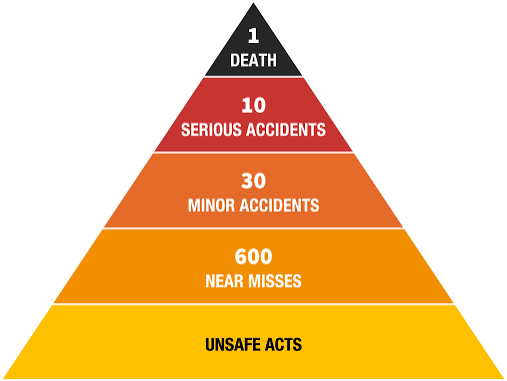
- Reduced voluntary reporting. Pilots and crew hesitate to disclose near-misses or fatigue, fearing reprisal; mirroring HFACS precursors to incidents like the 2023 SpiceJet runway excursion linked to unaddressed roster stress.
- Lower mentoring engagement. Senior captains disengage from type-rating handovers, exacerbating the 1,500+ domestic pilot shortage and weakening CRM transfer.
- Minimal compliance behaviour. Subtle non-adherence to checklists or rest protocols rises, as stoic resilience frays under pay inequity.
- Higher attrition. Turnover spikes (e.g., 300+ Go First resignations) drain experiential knowledge, inflating training gaps and fatigue risks.
These erode Just Culture, fostering systemic precursors to accidents. Reforms tying pay equity to DGCA IOSA audits would restore trust, aligning with your philosophy of stoic leadership: fairness fortifies the human factor against operational entropy.
Indicative Compensation Bands (A320 Captain Level)
Public recruitment listings and staffing contracts suggest approximate annual totals:
| Category | Approx. Annual Range |
| Indian Captain | ₹90 lakh – ₹1.1 crore |
| Direct-contract Expat | ₹1.5 – ₹2.5 crore |
| Wet-lease Expat | ₹1.8 – ₹3 crore |
(Actuals vary by airline, hours, and currency movements; figures represent indicative total rewards rather than base salary.)
The data illustrate a structural rather than marginal difference.
Persistence Drivers
Three mechanisms sustain the disparity:
Fleet growth pressure. induction rates exceed command upgrade capacity.
Contract bypass. agency structures avoid internal pay bands.
Intermediation. staffing firms distance airlines from wage-equity scrutiny.
These factors normalize temporary measures into long-term dependence.
Policy and Regulatory Reforms
Addressing compensation asymmetry requires coordinated action across government, regulators, and airlines.
Government & Labour Authorities
- Periodic pay-parity audits for safety-critical roles
- Clear definitions preventing misuse of consultant or temporary classifications
- Alignment of wage structures with constitutional equity principles
DGCA & Ministry of Civil Aviation
- Time-bound approvals for expatriate hiring linked to domestic upgrade plans
- Mandatory command-development targets tied to fleet expansion
- Transparent manpower planning disclosures
Airlines
- Nationality-blind pay bands based purely on role, experience, and performance
- Standardized non-cash benefits across all captains
- Reduction of excessive agency intermediation
- Inclusion of pay-equity metrics within safety-culture assessments
Such measures are legally defensible, operationally sustainable, and consistent with global best practices that treat workforce stability as a safety enabler rather than a cost centre.
Implementation Considerations
While precise outcomes will vary by airline and market conditions, international experience suggests that transparent compensation structures, predictable upgrade pipelines, and reduced contractual fragmentation improve retention, training continuity, and reporting culture.
Reforms should therefore be phased, data-driven, and regularly reviewed through regulatory oversight. The objective is not short-term cost reduction, but long-term operational stability and safety resilience.
Conclusion: Fairness as the Ultimate Safety Imperative
Aviation permits no shadows, neither in cockpit checklists nor in the quiet inequities that erode trust. Precision engineering demands precision justice: two captains, shoulder-to-shoulder in monsoon turbulence, gripping the same yoke over the same 200 souls, cannot be valued worlds apart without fracturing the invisible bonds of a just culture.
Compensation parity transcends HR memos or union chants; it is a non-negotiable safety engineering principle. ICAO’s safety culture doctrine (Annex 19) warns that perceived unfairness corrodes voluntary reporting, frays CRM handovers, and seeds fatigue under unmentored juniors, small fissures that, left unchecked, cascade into the 2023 SpiceJet excursions or worse.
India’s skies now pulse with 200,000 monthly flights, a testament to raw operational grit. Yet true mastery demands institutional evolution: weave constitutional equity (Articles 14, 39(d)) into CAR Section 7, forge nationality-blind pay bands, and audit morale as rigorously as airworthiness. Stoic leadership recognizes this truth, fairness is not generosity; it is the reinforced bulkhead against human entropy.
In aviation’s unforgiving calculus, neglect a hairline crack, and it claims runways. Forge equity now, and India’s aviation ascends unbreakable.
Be Safe. Fly Safe.
Footnotes
- CAPA India Aviation Outlook & airline recruitment disclosures (2024–25).
- IATA Safety Culture Survey & organizational justice research; Boeing Safety Management studies (2023).
- DGCA Civil Aviation Statistics & fleet induction reports (2024–25).
- DGCA-approved Flying Training Organisation output estimates.
- Randhir Singh v. Union of India, (1982) 1 SCC 618.
- State of Punjab v. Jagjit Singh, (2017) 1 SCC 148.
- Code on Wages, 2019, Section 3, read with Articles 14 & 16 of the Constitution of India.
- ICAO Doc 9966 — Fatigue Risk Management Systems; ICAO safety culture guidance.