As per written reply of Minister of State for Civil Aviation Murlidhar Mohol, 1,951 incidents of GPS spoofing and interference with aircraft have been reported across various airports in the country since November 2023. These incidents were reported mainly at Delhi, Mumbai, Kolkata, Hyderabad, Bengaluru and Chennai airport. The minister also brought out that Wireless Monitoring Organisation (WMO) is investigating the matter.
GPS Spoofing incidents were initially observed near conflict prone regions or areas of heightened geopolitical tension. It was considered more as a nuisance than a real concern for safety. However with proliferation of spoofing/jamming to more areas and with increase in sophistication, it has increased cause of concern among the operators and regulators. As per recent pilot reports, GPS Spoofing has evolved into systemic jamming and is affecting not only navigation system but other systems of aircraft also. For example –
- loss of functionality of FMS like Flight Plan going blank
- Change in flight identification on ADSB
- MFD going blank
- FMS going blank
- Loss of ILS signal on approach.
This increased sophistication of Jamming is real threat for aircraft avionics and flight safety. Many research papers have highlighted the real threat to aircraft avionics. The most vulnerable systems apart from GPS/GNSS are –
- Data Link System
- Software Radio
- SATCOM
- ADS B/ADS C
- ACARS
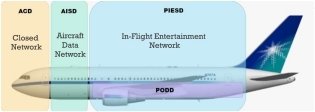
- Inflight Entertainment Systems
Unlike a military aircraft, the cyber threat to a commercial aircraft has to be managed at international level. The lack of cooperation and coordination in various parts of the commercial aviation system, further complicates the threat identification, analysis and intelligence. The commercial aviation industry requires a coordinated effort to secure aircraft avionics and systems by introducing standards requiring new equipment to be made less susceptible to jamming and interference. What we need immediately is a mitigation strategy as Radio signals do not respect geographic boundaries, be they domestic, commercial or national. It is very important that complaints about interference and jamming are properly managed by the regulatory authorities so that we can make efficient use of the radio spectrum and users may enjoy the benefits of entire spectrum. The threat that jamming poses could be addressed in a number of ways:
- by enforcing the current regulations prohibiting the sale and use of electronic items which cause interference;
- by introducing stricter regulation and significant penalties for deliberate jamming;
- by provisioning more resources to investigate interference and jamming.
- by equipping and training the law enforcement authorities to investigate possible cases of deliberate jamming, e.g. during crime or public order incidents.
The commercial aviation sector continues to improve the safety and quality of services provided to customers. However there is an immediate need to address passenger concern regarding spoofing and jamming. As a long term measure it would be appropriate to develop new standards for avionics system to limit susceptibility to jamming and interference. Otherwise, there exists a great likelihood that terrorists groups may be able to breach on-board systems and remotely operate in-flight aircraft by using sophisticated attack tools with consequent severe damage to property and loss of life.
Be Safe. Fly Safe.
Resources:
https://dl.acm.org/doi/epdf/10.1145/3610772
https://www.mdpi.com/2078-2489/13/3/146