In aviation, gravity is impartial. It does not recognise rank, reputation, or reason.
It responds only to decisions.
And decisions, ultimately, reflect the systems that shape them.
Be safe. Fly Safe,
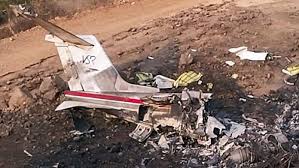
In aviation, gravity is impartial. It does not recognise rank, reputation, or reason.
It responds only to decisions.
And decisions, ultimately, reflect the systems that shape them.

Pilot competencies are the essential skills, knowledge, and behaviors for safe and effective flying, extending beyond basic stick-and-rudder skills to include non-technical abilities like Situational Awareness, Communication, Leadership & Teamwork, Problem Solving, Workload Management, Application of Procedures, and Aircraft Management (Manual & Automation).

When industries mature, their language evolves before their structures do. Aviation was no exception. By the early twenty-first century, accident reports had shifted decisively; from hardware malfunctions and procedural lapses toward cognition, behaviour, and decision-making.
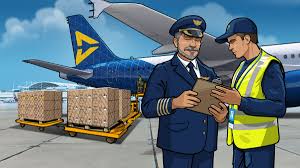
CBTA focuses on performance-driven training and assessment, ensuring that learning objectives align with real-world competencies. This approach applies across all aspects of pilot training, from aptitude testing and initial licensing to instructor/evaluator training and operator training.

An open letter’s significance lies in its ability to amplify voices of individual or marginalised groups to reach powerful figures. It also serves as a tool to increase public awareness, rally support and serving as a democratic voice for individuals demanding accountability. I hope this letter will create broader dialogue amongst aviators and also pave way for changes in Civil Aviation Regulator.