Introduction
India’s civil aviation sector is soaring toward unprecedented heights. With projections estimating over 500 million annual passengers and a commercial fleet expected to more than double by 2035, the demand for skilled, competent pilots is rapidly intensifying. However, beneath the optimistic forecasts lies a sobering reality: the journey from aviation aspirant to airline cockpit is marred by systemic challenges. From exorbitant training costs and infrastructural deficits to regulatory inertia and employment mismatches, India’s pilot training ecosystem requires urgent reform. This comprehensive analysis explores the multifaceted hurdles, showcases emerging innovations, and outlines strategic interventions to future-proof India’s aviation talent pipeline.
1. Barriers to Entry: The Financial Reality of Pilot Training in India
Pursuing a commercial pilot license (CPL) in India poses steep financial challenges, demanding an investment of ₹45–58 lakh spread across ground school education, flight training, type rating, and miscellaneous expenses like exams and accommodation. With few subsidized programs, most cadets depend on loans at high interest rates, resulting in average debt loads of ₹35–45 lakh for more than two-thirds of graduates as of 2023. This burden defers major life decisions and contributes to mental health challenges; a recent study found that 32% of trainee pilots reported anxiety, and 14% experienced depression directly linked to financial stress and training delays.
India’s training landscape also struggles to match its international counterparts: countries such as the U.S., South Africa, and the Philippines offer accelerated, cost-effective CPL programs that can be completed in 10–12 months for ₹30–35 lakh, with favourable weather, modern fleets, and regulatory support. In contrast, Indian flight schools frequently require 18–24 months due to operational disruptions, leading to added living expenses and delayed career starts. Unsurprisingly, over 3,500 Indian nationals opted for foreign licenses in 2023. These trends highlight an urgent need for reform—not only to make flying training affordable, but to ensure timely, high-quality preparation that meets global standards.
2. Infrastructure Imbalance: Capacity and Quality Challenges
Despite the presence of 38 DGCA-approved Flying Training Organizations (FTOs) across 55 locations, India’s training infrastructure struggles to keep pace with growing demand. The quality and availability of essential training resources remain inadequate, impacting training efficiency and safety.
Key Challenges.
- Simulator Shortages. The country operates only about 120 full-flight simulators (FFS), many of which are outdated and overutilized. As a result, cadets often face delays of 3 to 6 months for simulator sessions. These long wait times inflate accommodation costs and prolong the training cycle, delaying entry into the job market.
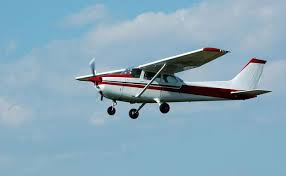
- Fleet Obsolescence. Most trainer aircraft in use, particularly Cessna 152s and 172s, are decades old and suffer from frequent maintenance issues. Training interruptions due to unscheduled maintenance, coupled with high student-to-aircraft ratios (often exceeding 5:1), compromise flying efficiency and skill development.
- Instructor Drain. Commercial airlines consistently recruit experienced flight instructors by offering salaries 20–30% higher than those at FTOs. This leads to a staggering 40% annual attrition rate, further widening the gap between student demand and instructional resources. The result is diluted flight instruction quality, inadequate mentorship, and burnout among remaining staff.
Recommended Solutions.
- Strategic Investment in Simulator Infrastructure. Government and private stakeholders should co-invest in acquiring new-generation Level D simulators under the Make-in-India framework. Providing tax incentives, accelerated depreciation, and duty exemptions on simulator equipment can encourage domestic manufacturing and private procurement.
- Fleet Modernization Program. The Ministry of Civil Aviation, in partnership with financial institutions and OEMs, should launch a fleet upgrade scheme offering low-interest loans or lease subsidies for FTOs to replace aging aircraft with modern trainers like Tecnam P2006T, Diamond DA42, or Piper Archer TX. Public sector banks can be mandated to support such modernization through targeted credit lines.
- Instructor Retention and Augmentation Schemes.
- Performance-linked incentives. FTOs can offer retention bonuses, flexible work hours, and career advancement pathways (e.g., transition to DGCA examiner roles).
- Instructor Fellowship Program. A government-backed initiative to sponsor instructor salaries in underserved FTOs for a 3-year tenure, especially in Tier-II and Tier-III cities.
- Licensing Fast-Track. DGCA can simplify and expedite approvals for instructor rating renewals and upgrades to encourage experienced pilots to enter instruction roles.
- Leveraging Retired Talent. India has a large pool of retired Qualified Flying Instructors (QFIs) from the Indian Air Force and civil airlines. These veterans can be brought back as civilian instructors for ab initio training, provided they meet medical and proficiency standards. Special incentives and streamlined re-certification pathways should be developed to reintegrate this underutilized human capital. The trainers even after attaining age of 65 years may be utilised for training on certain weight category of aeroplanes subject to medical fitness and maintaining their proficiency. Bags of their flying training experiences may be exploited to benefit the ecosystem.
- Creation of Shared Training Hubs. Multiple FTOs can be co-located in designated training zones with shared access to advanced simulators, maintenance support, and instructor pools. These clusters can be supported by state governments through concessional land leases and infrastructure grants.
- Reactivating Underutilized Airfields. India has numerous disused or underutilized airfields that can be refurbished and repurposed for FTO use. The Ministry of Civil Aviation, in coordination with AAI and state governments, should identify and upgrade at least 20 such sites through a National Aviation Infrastructure Fund, significantly easing congestion at busy airports and decentralizing training activity.
- Digital Monitoring and Resource Optimization. Deploy AI-powered scheduling tools across FTOs to streamline simulator and aircraft utilization, minimizing idle time and reducing bottlenecks. Real-time analytics can help forecast maintenance downtimes, improving operational planning.
Addressing infrastructure gaps with these solutions will not only enhance training throughput but also elevate safety, standardization, and global competitiveness.
3. Bureaucratic Barriers: Regulatory Bottlenecks and Red Tape
One of the most significant impediments to the growth of pilot training in India is the cumbersome and fragmented regulatory framework. Establishing a new Flying Training Organization (FTO) or expanding an existing one requires navigating a protracted labyrinth of bureaucratic clearances and compliance layers. These include:
- Airport Authority of India (AAI) airfield leases Securing long-term, cost-effective access to training-friendly airfields is a logistical challenge.
- Airspace access permissions. FTOs require clearances for controlled and uncontrolled airspace use, often delayed by inter-agency coordination gaps.
- Maintenance and operations approvals. Approvals for Maintenance Repair and Overhaul (MRO) facilities, night flying permissions, and hangar infrastructure take months.
- Periodic DGCA audits and licensing renewals. While critical for oversight, these are often marred by inconsistencies, staff shortages, and delays in feedback cycles.
This entire process can span 9 to 12 months or more, significantly delaying new infrastructure projects and stifling capacity expansion. The lack of a centralized, digital single-window portal for tracking applications, documentation, and timelines adds to the inefficiency and opacity. Small-scale investors and regional aviation entrepreneurs are particularly disadvantaged, as navigating this regulatory maze often demands legal and bureaucratic expertise beyond their capacity.
Further compounding the problem is the rise of unregulated and substandard private ground training schools, many of which exploit aspirants by promising “fast-track” CPL clearances without delivering adequate instruction or practical experience. These institutions often operate with minimal oversight, compromising safety and diluting the credibility of Indian aviation training. One particularly troubling hub in this landscape is the informal coaching network operating around Ram Phal Chowk in Delhi. These private coaching centres, often run without formal accreditation, have built a coercive monopoly over the pilot examination process. Aspiring cadets are reportedly forced to route their exam registration; such as obtaining a DGCA computer number, through local middlemen, who charge between ₹5,000 and ₹10,000 for services that should be free and transparent. This exploitation adds another layer of financial burden and psychological pressure on students, especially those from modest backgrounds.
Allegations of collusion between some of these coaching operators and lower-tier regulatory staff have further eroded trust in the system. The exorbitant fees charged by these centres, coupled with questionable teaching quality, raise serious concerns about both access and meritocracy in India’s aviation training pipeline. It is strongly recommended that the DGCA undertake an urgent internal review to curb these malpractices, bring unauthorized coaching centres under regulatory oversight, and introduce a digital, student-friendly registration process that eliminates the need for intermediaries.
In an effort to address these challenges, the DGCA is preparing to roll out a biannual FTO ranking systemstarting in October 2025. The system will assess parameters such as safety records, student outcomes, instructor quality, placement rates, and infrastructure readiness. While well-intentioned, its success hinges on three critical elements:
- Independent third-party audits to ensure fairness and accuracy;
- Mandatory public disclosure of ranking criteria and results;
- Consequential enforcement, including penalization of underperforming institutions and incentives for top performers.
- Mandatory specified ground training by DGCA approved ground training school before issue of flying licenses.
Without transparent enforcement and robust accountability mechanisms, such reforms risk being tokenistic.
To unlock true potential, India needs.
- A fully integrated digital licensing and approval portal for all aviation training institutions;
- Defined turnaround time targets for approvals with escalation mechanisms;
- DGCA staffing enhancement and training for faster, more responsive oversight;
- Regulatory sandboxing for innovation in training formats, including blended and modular pilot education.
Removing bureaucratic choke points is not merely an administrative issue; it is foundational to making India an aviation training hub for the Global South.
4. Training vs. Employment: The Cadet Bottleneck
India is projected to require more than 10,000 new commercial pilots by 2030, driven by airline fleet expansion and growing passenger demand. Yet, paradoxically, a significant portion of freshly licensed Commercial Pilot License (CPL) holders remain unemployed or underemployed, creating a persistent mismatch between training output and industry absorption.
Key Issues.
- Fresh CPL holders face steep financial and operational barriers as airlines increasingly favour type-rated or experienced first officers. Without operational exposure to commercial jets, new pilots must self-fund type-rating courses costing ₹18–25 lakh, pushing total costs to ₹60–80 lakh and excluding many from immediate employment opportunities.
- Cadet pilot programs, though vital, absorb less than 15–20% of the 7,000– 8,000 annual CPL graduates, leaving the majority in limbo. With limited entry-level vacancies, many resort to unpaid internships or pay-to-fly schemes; sometimes spending ₹3–5 lakh just to log co-pilot hours. These exploitative practices compromise safety, training quality, and labour ethics.
- Unlike the U.S. or Europe, India lacks standardized “bridge-to-line” transition programs that offer supervised multi-crew flying and competency development after CPL graduation. This leaves new pilots underprepared for airline operations.
- Extended unemployment among CPL holders also undermines the credibility and commercial viability of smaller flying schools, jeopardizing the sustainability of India’s training infrastructure.
Data Snapshot (2023–24):
- Estimated CPL graduates (India + Foreign conversion): 7,500+
- Estimated new pilot hires by scheduled airlines: 2,000–2,500
- Unplaced CPL holders as of Q1 2024: Over 3,000 (DGCA estimate)
Strategic Recommendations.
- National Employment Bridge Framework. Develop a DGCA-certified post-CPL internship structure in partnership with airlines and charter operators. These should be subsidized by government skill fundsand recognized by airlines for hiring credit.
- Mandatory Internship Stipend and Oversight. Enforce minimum wage stipends and safety audits for internships and NSOP co-pilot roles. Prohibit pay-to-fly arrangements through regulatory advisories and penalization.
- Cadet Training Incentives. Airlines should receive tax rebates or skill development credits for hiring and mentoring non-cadet CPLs through structured training. Such incentives can help diversify hiring pipelines beyond internal cadet pools.
- Type-Rating Loan Guarantee Scheme. The Ministry of Civil Aviation, in collaboration with public banks, should extend low-interest, government-backed education loans for type-rating programs with deferred repayment linked to job acquisition.
- Annual Pilot Demand Forecasting. A national dashboard tracking pilot training output, airline hiring trends, and projected fleet growth should be maintained to balance supply-demand more effectively.
By closing the employment-training disconnect, India can; not only safeguard trainee welfare, but also secure the aviation ecosystem’s long-term workforce pipeline.
5. Building Together: Public-Private Partnerships for Training Expansion
Scaling up India’s pilot training capacity requires not just regulatory reform and infrastructure upgrades, but also the strategic harnessing of collaborative capital through public-private partnerships (PPPs). Well-structured PPP models can enable rapid expansion, standardization, and technological modernization across the flight training ecosystem.
Key Opportunities.
- Regional Aviation Skill Hubs. Joint ventures between airlines, Flying Training Organizations (FTOs), aerospace OEMs, and state governments can establish comprehensive aviation training parks. These hubs would consolidate simulator bays, maintenance facilities, DGCA-compliant classrooms, and student hostels under one umbrella. Such an integrated model has proven successful in countries like the UAE and Singapore. India’s first PPP aviation training cluster in Amravati (Andhra Pradesh) is a pilot example, supported by Air India and Airbus under the Tata Group.
- Fiscal Incentives. State governments can play a catalytic role by offering:
- Subsidized long-term land leases at remote airfields;
- Capital subsidies of up to 25% for simulator imports and infrastructure;
- GST rebates or SGST refunds for aviation skill services. These incentives can reduce overall project costs significantly and make training ventures financially viable even in Tier-II and Tier-III regions.
- CSR and Skill India Convergence. With over ₹25,000 crore allocated to CSR annually in India (as per Ministry of Corporate Affairs, 2023), aviation skill development can be directly linked to Skill India and PM Kaushal Vikas Yojana. Airlines and aviation OEMs can earmark CSR funding to sponsor training scholarships, simulator procurement, or instructor fellowships in partnership with state skill development missions.
- Leasing & Co-Financing of Simulator Assets. Airlines and large lessors can co-own Level D full-flight simulators, and lease them at nominal rates to FTOs on a pay-per-use basis. This mitigates high capex costs and ensures wider access to advanced training tools. Public sector entities like NSDC (National Skill Development Corporation) or IFCI could act as enablers or credit guarantors in such arrangements.
- Airport Modernization via Viability Gap Funding (VGF). Disused or underutilized airstrips under the UDAN-RCS scheme can be revitalized through PPP mode for exclusive use by aviation training clusters. At least 50+ such airfields have been identified across states like Maharashtra, Rajasthan, and Madhya Pradesh with basic ATC and runway infrastructure in place.
Strategic Benefits.
- Shared resources reduce costs and training duration.
- Industry participation ensures curriculum relevance and placement alignment.
- Decentralized growth builds aviation training capacity beyond metro hubs.
- Enhanced regional employment and aviation literacy.
In sum, PPP-driven capacity creation is not merely a funding tool—it is a national strategy to elevate India’s aviation training landscape from fragmented silos to a globally benchmarked, accessible, and job-linked ecosystem.
6. Reforming Rules: Streamlining and Modernizing Regulation
A digitally empowered regulatory framework is not just desirable; it is essential to meet India’s aviation training needs in a scalable, transparent, and efficient manner. While the DGCA has introduced reforms in licensing and auditing, structural issues persist in curriculum design, entry qualifications, and technology integration.
Key Priorities.
- Single-Window Clearance System. India lacks a unified digital platform for Flying Training Organization (FTO) applications, certifications, renewals, and audits. Establishing a centralized portal; similar to the National Single Window System (NSWS) for industrial approvals, could cut processing times by 30–40%, according to the Civil Aviation Committee of FICCI (2023). This portal should offer dashboard tracking, auto-reminders for renewals, escalation protocols, and dedicated DGCA case officers to streamline approvals and strengthen accountability.
- Curriculum Overhaul. The DGCA CPL syllabus has not kept pace with evolving global aviation standards. A 2023 IFALPA review highlighted gaps in areas like digital cockpit familiarization, automation philosophy, and real-time data analysis. Updating the curriculum to include modules on Electronic Flight Bags (EFB), satellite-based navigation (RNP, GNSS), and predictive flight performance analytics will better prepare trainees for airline operations and technological demands.
- Flexible Entry Norms. Current regulations require CPL aspirants to have completed Class XII with Physics and Mathematics, excluding many talented candidates from humanities or commerce backgrounds. Countries like Canada and Australia accept non-science entrants via bridge programs or aptitude tests. DGCA could introduce a Competency-Based Assessment Framework (CBAF) allowing non-science candidates to qualify through foundation courses and screening in math, spatial reasoning, and aviation aptitude; broadening the talent pool without compromising safety.
- Digital Licensing and Audit Framework. Licensing renewals, instructor upgrades, and FTO audits remain partly manual, causing delays. Implementing biometric ID tracking, AI-driven scheduling, and automated document checks can reduce processing time, minimize corruption risks, and improve audit consistency and transparency.
- Data-Driven Decision Making. DGCA should publish regular anonymized dashboards detailing FTO performance, safety records, and job placement data. Greater transparency will incentivize improved standards, build public trust, and empower aspiring pilots to make informed training choices.
By streamlining regulatory mechanisms and modernizing outdated norms, India can position itself not just as a prolific pilot producer, but as a centre of excellence in aviation education and compliance.
7. Leveraging Technology: Blended and Virtual Learning
Technology holds immense potential to overcome infrastructure constraints, reduce training costs, and improve learning outcomes in India’s pilot training ecosystem. Globally, aviation academies are embracing digital tools to complement physical flying; India must follow suit.
Key Technological Levers:
- Online Ground School. Digital learning platforms like DGCA eGCA, CAE’s eAcademy, and global MOOC solutions can standardize content delivery, conduct interactive tests, and provide analytics dashboards to instructors. By allowing cadets to complete 40–60% of theoretical modules remotely, institutions can reduce ground school infrastructure costs by 30% and reach students in remote regions.
- Virtual Reality (VR) Simulation. VR headsets and cockpit replicas can simulate key procedural operations, pre-flight checklists, and emergency drills. Studies by Embry-Riddle Aeronautical University (2022) indicate that VR-trained students demonstrate 25% faster procedural recall and higher confidence levels during live flying. VR can substitute for up to 20% of actual flying hours, especially during adverse weather or maintenance downtime.
- AI-Driven Adaptive Learning Systems. Learning Management Systems (LMS) powered by AI can personalize modules, predict dropouts, and recommend remedial content based on each cadet’s performance. AI tools like Boeing’s Jeppesen Academy or Airbus’s Flight Lab have shown a 15–20% improvement in student retention and test pass rates.
- Cloud-Based Recordkeeping and Scheduling. Digitized logbooks, real-time aircraft tracking, and AI-based resource scheduling can enhance simulator and aircraft utilization by up to 18%, reducing student waiting time and improving throughput.
By embracing these innovations, India can democratize aviation learning, reduce training duration and costs, and match the digital transformation pace seen in the global aviation education sector.
8. From Classroom to Cockpit: Career Integration and Incentivization
Ensuring a seamless transition from licensing to employment is essential to maximize return on training investments and meet airline workforce needs. India must institutionalize end-to-end placement support and job-readiness programs.
Key Proposals.
- Revenue-Sharing Cadet Schemes. Airlines should partner with FTOs to co-fund a portion (up to 30%) of a student’s training cost in exchange for a multi-year service bond. This guarantees placement for the cadet and ensures return on investment for the airline.
- Government-Backed Bonded Scholarships. Scholarships under NSDC or state aviation missions can target underrepresented segments (women, rural youth, SC/ST candidates). In return, recipients serve 3–5 years with regional or public carriers, improving inclusivity and national air connectivity.
- Job-Readiness Modules. FTOs should integrate soft-skills, CRM refreshers, aviation English, and interview simulations into their final phase. According to a 2022 survey by CAPA India, only 38% of CPL holders felt “job-ready” without type-rating or external coaching.
9. Maintaining Standards: Quality and Safety Oversight
As India scales up training capacity, maintaining safety and educational integrity becomes non-negotiable. Oversight must evolve from reactive to predictive.
- Annual DGCA Audits. Mandatory inspections covering instructor currency, fleet airworthiness, safety records, and student assessments should be digitized and publicly rated.
- Third-Party Accreditation. A national rating system; possibly under NAAC-like framework, should score FTOs on placement, incident records, student satisfaction, and dropout rates. This enhances transparency and empowers aspirants.
- Anti-Fraud Enforcement. A task force combining DGCA, cybercrime units, and aviation stakeholders should target fake licensing brokers, ghost schools, and fraudulent ad campaigns.
10. Conclusion: Charting a New Flightpath for India’s Aviation Future
India stands at a pivotal moment in its aviation journey. With rapidly growing passenger traffic, a doubling fleet projected by 2035, and global interest in Indian pilots, urgent reforms are needed in the pilot training ecosystem.
This article has uncovered key challenges—high costs, infrastructure gaps, regulatory bottlenecks, instructor shortages, and a broken pathway from training to employment. It also highlights solutions: technology-driven learning, streamlined regulations, public-private partnerships, and inclusive financing.
The core issue isn’t a lack of talent, but an enabling ecosystem. Many aspirants seek training abroad, drawn by better timelines, costs, and career certainty. This outbound flow is a lost opportunity to make India an aviation training hub.
To change course, a national commitment blending policy foresight, infrastructure investment, digital modernization, and industry collaboration is essential. If pursued with urgency and transparency, these reforms will empower India to meet domestic demand and export aviation expertise.
In aviation, the runway ends but the sky begins. It’s time for India to build a runway worthy of its ambitions—long, strong, and ready for take-off.
Edoitors Note:
Thanks Trips for such an insightful article.
Be Safe. Fly Safe.