Flying Without a Safety Net: Why India’s Aviation Workforce Needs Structured Representation

Flying Without a Safety Net: Why India’s Aviation Workforce Needs Structured Representation

The aviation sector is also one of the fastest-growing sectors in India’s economy, contributing through air transport services and indirectly through tourism, trade, logistics, and manufacturing. Yet this explosive growth has not translated into decent earnings of the employees. Nearly 80% out of 369,000 jobs earn less than 5 lakh annually. The most invisible component of this labour is helplessness. The workers remain bonded due to long notice periods, deferred salary, unpaid leave, gratuity or EPF.

Licensed Production to Design Sovereignty: Reframing India’s Aerospace Strategy

Licence Production Raj in India.

Is India still stuck in 2nd Industrial revolution of mass production. Remember Henry Ford, who further developed this concept in late 19060s. Are we happy with large scale (?) production to meet our local requirements. This is like we still live in sellers market. While the world has moved to 3rd industrial revolution and even revolutionary 4th and 5th industry state which encompasses environmental sustainability, open architecture, reliability, interoperability and data driven production which basically means buyer oriented market. This new state is a new normal and ensures a streamlined processes for mass production of product variants with increasing emphasis on quality and uniqueness. How long before we reach there? Or with present thrust on licence production in aviation, will we ever reach there?

Making of an Unemployable Pilot

Making of an Unemployable Pilot

Becoming an airline pilot is a dream many share and aspire. An ambition filled with wander lust, sense of accomplishment, good life and thrill. However, the journey to cockpit is very challenging as the first hurdle is financial. Then comes knowledge and its application which is seldom taught. Most students get lost in its glamour as they are ill-prepared for challenges like – sharing the burden of responsibility of a safe flight which comes with meticulous preparation and studies, frequent professional exams, medical tests and self discipline. And this unfortunately is story of a professional pilot.

Do Birds of Same Feather Flock Together?

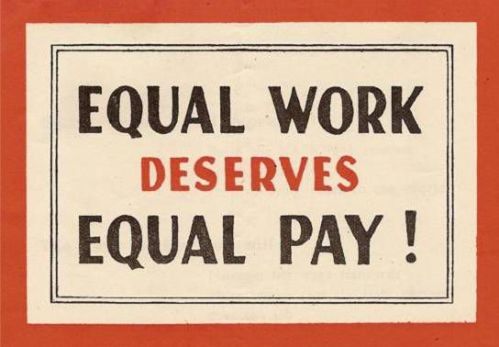
Equal pay in aviation

This article is not a critique of expatriate professionals, many of whom contribute valuable experience during periods of rapid fleet expansion. Rather, it examines whether persistent compensation asymmetry for identical operational responsibility undermines morale, distorts workforce planning, and ultimately weakens safety culture in a sector where human performance remains the last line of defence.

Pilot Competencies in Civil Aviation Training: Part 3

Pilot competencies in civil aviation

Pilot competencies are the essential skills, knowledge, and behaviors for safe and effective flying, extending beyond basic stick-and-rudder skills to include non-technical abilities like Situational Awareness, Communication, Leadership & Teamwork, Problem Solving, Workload Management, Application of Procedures, and Aircraft Management (Manual & Automation).