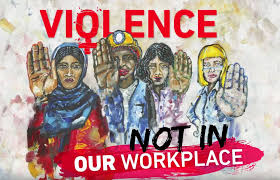
Everyone in the world of work, including workers and employers, should be protected from violence and harassment. Providing a safe and healthy working environment is not only a national requirement, it is now a fundamental principle and right at work.
Month: August 2025
Pilots and Mental Health – India’s Untapped Safety Frontier
Investing in pilot mental health is not an act of charity; it is a strategic safety imperative. A well‑supported, psychologically resilient pilot is aviation’s most vital safety asset. India’s booming aviation industry cannot afford to treat mental wellness as a peripheral concern.
Pilot Training in India: Navigating Challenges, Seizing Opportunities, and Charting the Future
In aviation, the runway ends but the sky begins. It’s time for India to build a runway worthy of its ambitions—long, strong, and ready for take-off.
Learning Situational Awareness
Remember all the pilots started just where you are in the left seat of a Cessna, Piper, Diamond or Cirrus. They learned just like you and went step by step from Level 1 to level 3.
EYES WIDE OPEN: SITUATIONAL AWARENESS IN INDIAN SKIES
Situational awareness (SA) is the perception of environmental elements within a volume of time and space, the comprehension of their meaning, and the projection of their status in the near future.
Aviation Training in India
The demand for aviation training and related services is increasing and likely to grow in double digit. Asia-Pacific region has huge gap between demand and supply primarily due to insufficient training capacity in terms of infrastructure and staff shortage.
India: Building Aviation Simulator Infrastructure
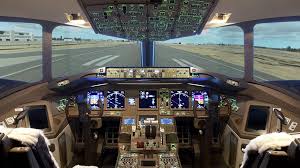
Developing national flight simulator infrastructure is no longer a matter of convenience or cost-efficiency; it is a strategic national imperative. As India accelerates toward becoming a global aviation powerhouse, its ability to train, certify, and upskill thousands of pilots annually will define the safety, scalability, and sustainability of its aviation sector. Inadequate simulator access not only delays training and raises costs but also puts regulatory compliance and operational readiness at risk.