Every day is a new flight. Every day is a new beginning. Every blog is a new challenge. I love this medium of blogging as I am able to reach out and share my stories with others. It has been a long way, since Feb 2020 when I first published my blog.
Year: 2025
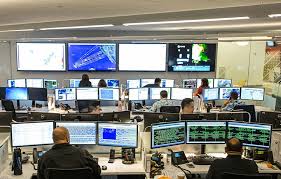
Beyond the Radar: Decision-Making Under Pressure in Airline Operations Control Centre
Like a pilot who maintains control of aircraft, navigates through the challenges; a leader at OCC should be able to maintain control amid the pandemonium, must take decisive actions and be able to improvise under pressure. This allows him/her to prevail over situation and maintain aim/vision regardless of the dilemma.
Commercial Aviation: Electronic and Cyber Threats in Air
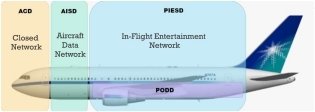
The aviation sector continues to improve the safety and quality of services provided to customers. However there is an immediate need to address passenger concern regarding spoofing and jamming. As a long term measure it would be appropriate to develop new standards for avionics system to limit susceptibility to jamming and interference. Otherwise, there exists a great likelihood that terrorists groups may be able to breach on-board systems and remotely operate in-flight aircraft by using sophisticated attack tools with consequent severe damage to property and loss of life.
Disruption Management in Commercial Aviation
Flight delays and cancellations have become important factors that affect passengers’ airline preferences. Consequently, national regulatory authority for civil aviation categorically mentions airline punctuality in terms of “On time Performance”. Airlines invest millions of dollars to optimise their operations and prevent delays. But what about disruptions and its management, which in other words can be termed as resilience of operations. In recent past we have seen many such examples where airline operation were disrupted due to software issues, bad weather or due to changes in rules. In this article we will look at why disruption management or recovery has become a major problem in airline operation management.

Navigating Flight Disruptions: Solution and Strategies
I must caveat that I have no inside information either from the airline industry or aviation regulator. I am merely drawing on my general knowledge of leadership, organizational culture, military knowledge and aviation experience as a pilot. So while my experience and knowledge are limited, I still think I can offer some insights that can be useful to aviation industry. These lessons revolve around the need for adaptability and decentralization in such situations in particular but also in this Information Age in general.
How One Manufacturer Rewired the World: With a Few Sonic Booms and a Lot of Paperwork
Fasten your seatbelt. This ride includes blueprints, billion-dollar bets, and enough thrust to change the world.
Glittering Terminal Buildings, Forgotten Runway and Safety
These five reforms are neither radical nor costly; they are the minimum needed to align India’s aviation safety with global standards. Without them, the country’s dream of being a world-class aviation hub will remain a façade: glass palaces masking unsafe skies.
Glittering Terminals, Costly Journeys
India’s airports must move from monopoly-driven shopping malls with runways to passenger-first, safety-first public utilities. The reforms are neither radical nor unaffordable; they are overdue.
The Missing Link: Airside Efficiency for Airline Profitability
Efficiency in commercial aviation directly drives profitability by improving the conversion of resources into revenue.
The Autogyro: Pioneering the Skies Between Wings and Rotors
Imagine a machine that soars through the air with the grace of a bird, its massive overhead rotor spinning freely like a windmill, generating lift not from engine power but from the sheer force of oncoming air. This is the autogyro (or autogiro), a rotorcraft that ingeniously combines elements of airplanes and helicopters.